Decorative Border Review
As an embroidery designer and product reviewer, I often find myself evaluating machine embroidery designs for real-world use. The Decorative Border is one such design that promises versatility and visual appeal. But what does it really bring to the table when used in actual projects? Let’s break it down.
The First Impression
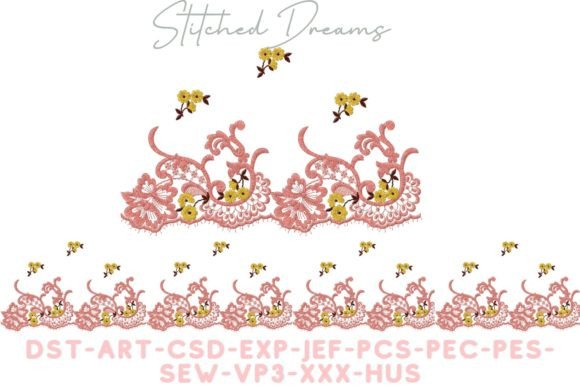
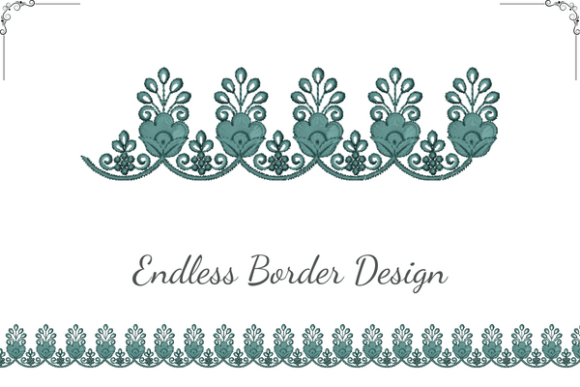
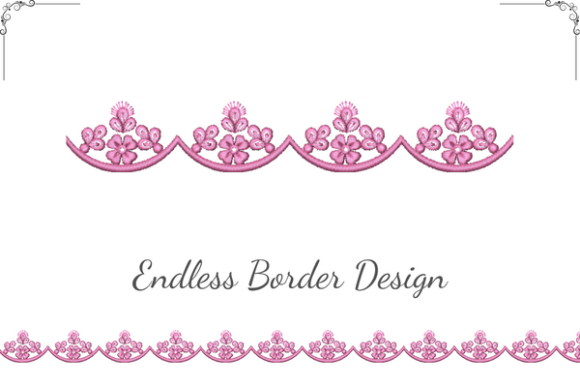
From the moment I opened the embroidery file, I was struck by the design’s elegance. The border features a flowing pattern with intricate detailing that suggests a classic or vintage aesthetic. It has a soft, decorative feel that would work well on home decor items or personalized gifts. The layout is balanced, with enough detail to be eye-catching without overwhelming the fabric it’s stitched onto.
This design seems to belong naturally on items like pillow covers, tea towels, or custom apparel. Its shape and theme suggest a timeless look that could complement a variety of styles, from rustic to modern. The level of detail is sufficient for most applications but might require careful attention when working on smaller areas.
Real-World Embroidery Performance
I tested the Decorative Border on a few different fabrics to see how it performed. On cotton and linen, it came out clean and clear, with even stitch density and good definition. The satin stitches were smooth, and the fill areas didn’t show any gaps or inconsistencies. However, on thinner or stretchy fabrics, I noticed some distortion, especially around the corners. This makes me think that the design may not be ideal for items like baby clothes or t-shirts where comfort and fit are essential.
When I tried it on a tote bag, the design looked great—especially on a light-colored canvas. It added a nice touch without being too busy. For sweatshirt embroidery, it worked well as a border along the hem or sleeve, adding a subtle yet stylish element. However, if the design were to be used on a cap or hat, the curved surface might cause some issues with the stitching accuracy, especially in tight spaces.
For a personalized gift, like a baby blanket or a holiday ornament, the Decorative Border could be a lovely addition. It adds a handmade feel without requiring too much technical skill. But for commercial projects, especially those involving frequent washing, I’d want to make sure the design is stable and won’t fray or lose its shape over time.
Where to Use With Caution
While the Decorative Border is versatile, there are a few situations where it might not perform as well. Small hoop sizes could be a challenge, especially if the design requires multiple sections. If you’re working on a project that needs a lot of movement, like a patch or a small applique design, the border might not fit comfortably in a standard hoop.
On textured fabrics, the design might not show up as clearly as it would on a smooth surface. Similarly, on dark fabrics, the thread color contrast could be an issue if the design uses lighter threads. I recommend testing the design on both light and dark backgrounds before committing to a final project.
For items that will be washed frequently, like kitchen towels or children’s clothing, I’d advise using a proper stabilizer to prevent the design from shifting or losing its shape. Also, if the design includes tiny lettering or detailed corners, I’d double-check that these elements are clear and consistent in the embroidery file.
Impact on Visual Appeal and Customer Perception
The Decorative Border can significantly enhance the visual appeal of a finished product. When applied correctly, it adds a touch of sophistication that can elevate a simple item into something more special. For small business owners or Etsy sellers, this design could help differentiate their products from mass-produced alternatives.
Customers often respond positively to handmade elements, and a well-executed border can make a product feel more unique and valuable. It also contributes to brand consistency, especially if the design aligns with a specific style or theme. For craft fairs or boutique shops, the Decorative Border could be a useful asset in creating cohesive product lines.
When it comes to giftability, the design works well for personalized gifts. Whether it’s a holiday ornament, a custom towel, or a branded apron, the border adds a thoughtful touch that customers are likely to appreciate.
Practical Designer Notes
Before using the Decorative Border in a project, I always recommend testing it on scrap fabric. This helps identify any potential issues with stitch density, thread color contrast, or fabric compatibility. If the design is going to be used in a commercial setting, check the licensing terms to ensure it’s suitable for resale or digital distribution.
For digital product sellers, the Decorative Border could be a useful addition to a collection of printable mockups or design assets. However, it’s important to confirm that the design is compatible with your embroidery software and that the file format meets your needs.
Overall, the Decorative Border is a solid choice for a variety of embroidery projects. It offers a balance of detail and usability, making it a practical option for both personal and commercial use. Just remember to approach it with care, especially when working on delicate fabrics or complex designs.