Mylar Roses
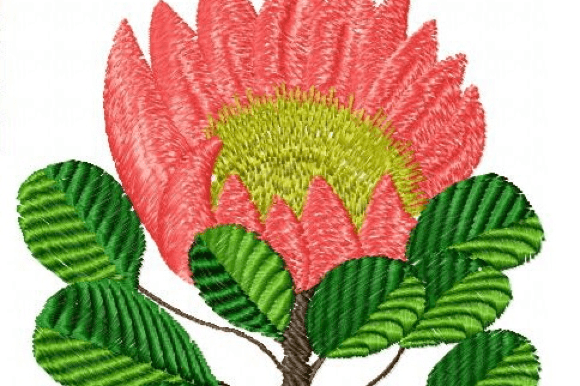
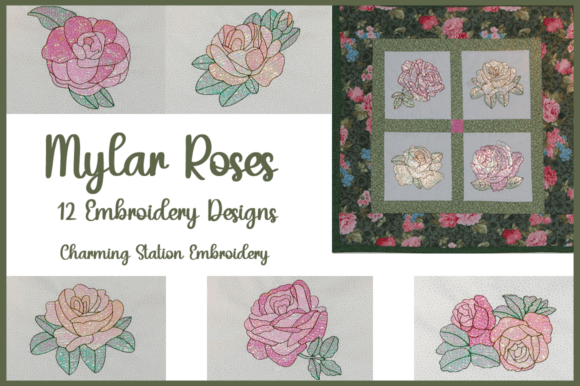
As an experienced embroidery designer preparing for a weekend craft fair, I always look for designs that stand out, feel versatile, and have strong visual appeal. Mylar Roses is one such design set that promises to be a valuable addition to any handmade product line. With 12 beautiful rose designs optimized for use with Mylar, this collection offers a range of options that can elevate everything from tote bags to pillow covers.
First Impressions of Mylar Roses
Mylar Roses immediately conveys a sense of elegance and sophistication. The title suggests something refined, and the description reinforces that idea by highlighting its suitability for quilts, sweatshirts, and totes. This design feels like it would fit well in a farmhouse or modern setting, making it appealing to a wide range of customers. The roses are described as "beautiful," which implies they have a soft, delicate look that could work well on both casual and more upscale items.
How Mylar Roses Performs on Different Products
When considering where Mylar Roses would stand out, I imagine it working particularly well on tote bags, aprons, and tea towels. These are common craft fair products that customers often look for, and the rose designs could add a touch of class without being too overwhelming. On caps, the designs might serve as a subtle accent, while on patches, they could become the focal point of a small, wearable piece.
The versatility of the 12 designs means they can be used as small accents or larger focal points, depending on the product. For example, a single rose could be a great embroidered patch, while multiple roses could be arranged for a quilt or bed cover. This flexibility makes Mylar Roses a practical choice for a variety of handmade products.
Practical Selling and Production Points
From a production standpoint, Mylar Roses seems easy to understand at a glance, which is important for both the designer and the customer. The designs likely photograph well for online listings, especially if they’re clean and well-stitched. However, it’s important to consider how they will look when scaled down, as some details may not translate well to smaller sizes.
For batch production, the design should be repeatable without issues. If the stitch density is too high, it could cause problems on certain fabrics, especially textured ones like towels or thick materials. It’s also worth noting that the design may lose clarity on dark fabrics or when using small lettering, so testing on different materials is essential.
Careful-Use Notes
Some areas to pay attention to include dense stitch areas, which could cause puckering or fabric distortion. Tiny details may not show up clearly, especially on curved surfaces like caps. When working with thick fabrics or textured towels, it's important to use the right stabilizer to ensure the design holds up well.
For dark fabrics, choosing the right thread colors is crucial to make the design stand out. If the design is too small, it may not be suitable for certain applications. It’s always a good idea to test the design on scrap fabric before committing to a full batch.
Impact on Visual Appeal and Customer Engagement
Mylar Roses has the potential to catch the eye of customers at a craft fair. Its elegant design can add visual interest to booth displays and help draw in buyers looking for unique, handmade products. When used on items like tote bags or aprons, it can enhance the perceived value of the finished product, making it more appealing to shoppers.
As a handmade product, Mylar Roses can contribute to brand consistency if it’s used across multiple items. A cohesive design theme helps build recognition and trust with customers. Additionally, the ability to create printable mockups or Etsy listings with these designs can help boost online sales and visibility.
Embroidery Designer Notes
Before finalizing any production, I recommend testing the Mylar Roses design on different fabrics to see how it performs. Checking thread contrast is important to ensure the design stands out, especially on darker materials. Reviewing spacing and stitch density will help avoid issues during the embroidery process.
Confirming the correct hoop size is essential to ensure the design fits properly on the machine. Using the right stabilizer will prevent puckering or distortion, especially on delicate or textured fabrics. Creating at least one real mockup allows you to see how the design looks in person, which is invaluable for making adjustments before mass production.
Comparing fabric colors can help determine which combinations look best together. Finally, before selling any finished products, it’s important to confirm the commercial licensing terms to ensure compliance with any restrictions.
Conclusion: Mylar Roses for Craft Fair Success
Mylar Roses is a strong contender for any craft fair seller or handmade shop owner looking to add a touch of elegance to their product line. With its 12 beautiful designs, it offers a range of options that can be adapted to various items, from tote bags to quilts. Its versatility, combined with its refined aesthetic, makes it a valuable asset for any embroidery business.
Whether you're an Etsy seller, a boutique maker, or a creative entrepreneur, Mylar Roses has the potential to stand out in a crowded market. By paying attention to practical details like stitch density, fabric texture, and thread color, you can ensure that your finished products meet the high standards expected by customers. With proper testing and planning, Mylar Roses can become a key part of your craft fair success.